Choosing Cabinet Colors That Stand the Test of Time — and the Housing Market
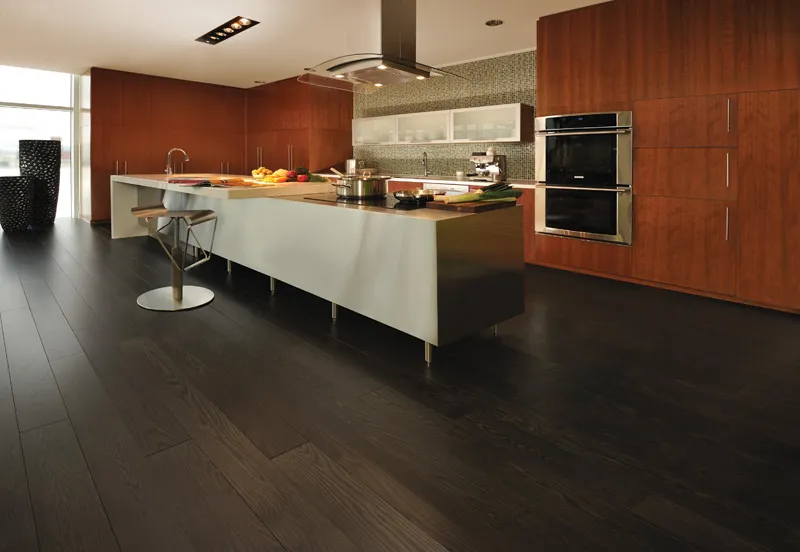
Photo: Boa-Franc, CC BY 2.0, via Wikimedia Commons
There is a particular kind of renovation regret that arrives not during construction, but years later — when a kitchen that once felt fresh begins to feel dated, or when a prospective buyer tours the space and politely says, "It's a lot of color." Cabinet color, more than almost any other design decision in a kitchen, has the power to define the room's character for a decade or more. And unlike a coat of paint on a wall, reversing a cabinet color choice is neither quick nor inexpensive.
At Fast Track Cabinets, we work with homeowners and commercial clients across the country who arrive with strong color instincts and, occasionally, a lesson learned the hard way. What follows is a framework for making cabinet color decisions that hold up under daily use, evolving tastes, and the scrutiny of the real estate market.
Why Cabinet Color Is a Financial Decision, Not Just an Aesthetic One
Consider the math. A full kitchen cabinet repaint — including proper surface preparation, primer, and professional application — typically runs between $1,500 and $4,500 depending on kitchen size and cabinet construction. A full cabinet replacement, if the color dissatisfaction runs deeper than paint can fix, can range from $8,000 to well over $30,000 for a custom installation. These are not hypothetical figures; they represent real remediation costs that homeowners absorb when color decisions are made impulsively or under the influence of a trend that has since faded.
Beyond the direct replacement cost, there is the subtler impact on home value. A 2022 analysis by a national real estate data firm found that kitchens with neutral or classic cabinet palettes sold homes an average of 12 days faster than comparable properties featuring bold or highly personalized color schemes. For sellers in competitive markets — particularly in metros like Denver, Austin, and Charlotte where kitchen renovations are a significant selling point — that timeline gap translates directly into carrying costs and negotiating leverage.
The Psychology Behind Color Trends
Design trends are not arbitrary. They emerge from broader cultural currents — shifts in how people feel about their homes, what they see in media, and how interior design intersects with lifestyle movements. The all-white kitchen that dominated residential design for much of the 2010s was, in part, a response to the visual noise of the internet age: a desire for calm, clean visual environments. The deep navy and forest green cabinets that gained popularity in the early 2020s reflected a parallel desire for warmth, personality, and a departure from clinical minimalism.
Understanding why a color is trending helps predict how long it will remain relevant. Colors tied to broad cultural moments — sustainability aesthetics, wellness interiors, or "quiet luxury" design — tend to have longer staying power than colors popularized by a single viral social media moment. When evaluating any trending palette, ask: Does this color resonate because it solves a design problem, or because it appeared in enough Instagram feeds to feel familiar?
Case Study: The Bold Blue Kitchen That Became a Selling Obstacle
A homeowner in suburban Minneapolis undertook a full kitchen renovation in 2019, selecting a saturated cobalt blue for the lower cabinets paired with open shelving above. At the time, the choice was widely praised by design publications and felt genuinely distinctive. By 2023, when the family listed the home, three consecutive buyers cited the kitchen cabinetry as a concern during walkthrough feedback. The sellers ultimately accepted an offer $14,000 below asking price — a figure their realtor directly attributed, in part, to the cost buyers mentally assigned to refreshing the space.
This is not an argument against color. It is an argument for considered color — choices made with awareness of both personal taste and the longer arc of design relevance.
Case Study: The Greige Kitchen That Performed Above Expectations
Contrast the above scenario with a commercial property developer in Nashville who, in 2021, outfitted twelve rental units with warm greige (a gray-beige blend) lower cabinets and white uppers. The palette was deliberately understated. When the units were sold as condominiums two years later, buyer feedback consistently noted the kitchens as "move-in ready" and "fresh without feeling trendy." The developer reported no requests for cabinet concessions during any of the twelve transactions.
Greige, warm white, soft sage, and muted charcoal represent what designers often call "the enduring middle" — colors with enough personality to feel intentional, but enough restraint to accommodate diverse personal styles layered on top.
A Framework for Color Decisions That Age Well
The following questions can serve as a structured filter when evaluating any cabinet color:
1. Is this color solving a problem or following a trend? If the color addresses a genuine design challenge — brightening a low-light kitchen, creating visual separation between zones, or grounding a large open-plan space — it has functional justification that trends do not.
2. What is the color's relationship to fixed elements? Countertops, flooring, and tile backsplashes are expensive to change. Cabinet color should be evaluated against these permanent or semi-permanent elements first, not against paint swatches or fabric samples that can be swapped inexpensively.
3. How does this color read in different lighting conditions? A color that photographs beautifully in a south-facing showroom may read entirely differently in a north-facing kitchen under LED lighting. Request large sample panels and observe them in the actual installation environment across multiple times of day.
4. What is your honest timeline for this space? If you expect to sell within five to seven years, the resale calculus matters. If this is a long-term primary residence, personal resonance can carry more weight — provided you are prepared to absorb potential refinishing costs later.
The Fast Track Cabinets Approach to Color Consultation
At Fast Track Cabinets, color selection is treated as an integral part of the design and specification process, not a final checkbox. Our team works with clients to evaluate finish options against their specific spatial conditions, project timelines, and long-term goals — whether that means a family kitchen built to last twenty years or a commercial buildout designed to appeal to the broadest possible tenant or buyer pool.
Our finish library includes options across the full spectrum, from time-tested neutrals to contemporary statement colors, all available with the same precision manufacturing and accelerated delivery timelines that define our production model. Because the best color decision is one made with full information — not one you are living with simply because there was no time to reconsider.
Color will always be personal. But in cabinetry, it is also permanently consequential. Treat it accordingly.