The Hidden Price of Chasing Cabinet Trends: What Looks Fresh Today May Cost You Tomorrow
Every few years, a new wave of cabinet aesthetics sweeps through home design media. One season it is two-tone kitchens with stark black lowers and bright white uppers. The next, it is open shelving replacing upper cabinets entirely, or ultra-matte finishes in earthy terracotta tones. Social media accelerates the cycle, compressing what used to be decade-long design movements into eighteen-month micro-trends that feel urgent and inevitable — until they suddenly do not.
For homeowners and commercial property developers alike, this acceleration poses a real financial risk. Cabinetry is not a decorative accessory that can be swapped out seasonally. It is a structural investment, one that typically represents a significant portion of a kitchen or renovation budget. When that investment is guided primarily by trend rather than function and durability, the consequences tend to surface within a few years — and they are rarely cheap.
At Fast Track Cabinets, we have observed this pattern repeatedly. Our perspective is straightforward: chasing design fads in cabinetry is one of the most reliably costly mistakes a homeowner or developer can make. The following examination of that claim is grounded not in aesthetics snobbery, but in the practical economics of how cabinets age, perform, and affect property value over time.
When the Showroom Look Doesn't Survive the Decade
Consider the experience of a homeowner in suburban Atlanta who undertook a full kitchen renovation in 2018. Drawn to the bold, industrial aesthetic that dominated design publications at the time, she selected deep charcoal-gray cabinets with exposed black metal hardware and open lower shelving in place of traditional cabinet doors. The finished kitchen looked striking and was featured in a local home tour.
By 2023, the picture had changed considerably. The open shelving, while visually dramatic, had proven impractical — accumulating grease and dust in a working kitchen, and requiring near-constant reorganization to look presentable. The charcoal finish, which had felt edgy and contemporary in 2018, now read as dated in a market where lighter, warmer tones had reasserted themselves. When the homeowner listed the property, three separate buyer feedback reports cited the kitchen as needing updating. The cabinets were less than six years old.
This is not an isolated anecdote. A similar pattern emerged for a condominium developer in the Chicago metropolitan area who outfitted twelve units with ultra-glossy white thermofoil cabinets — a finish that was widely promoted as sleek and modern. Within four years, several units had experienced peeling at the edges near heat sources, a known vulnerability of thermofoil that the trend-driven purchasing decision had obscured. Remediation costs per unit ran into the thousands of dollars.
The Mechanics of How Trends Inflate Cabinet Costs
Understanding why trend-driven cabinet choices tend to cost more requires examining a few distinct mechanisms.
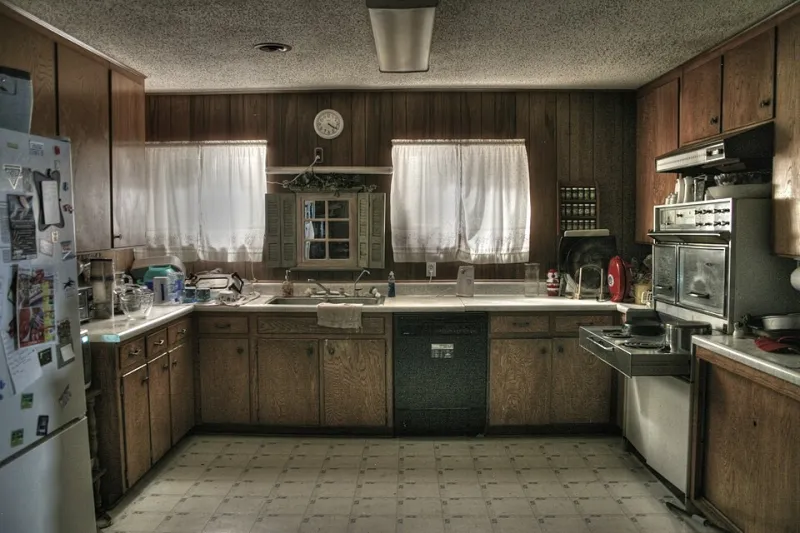
Premature replacement cycles. A well-constructed cabinet, built from quality materials and finished in a manner that does not depend on current fashion, can reasonably serve a home for twenty to thirty years. Trend-driven cabinets, particularly those that rely on specific color palettes or novelty finishes, often feel dated within five to eight years. Homeowners who wish to sell or simply refresh their space find themselves facing a full replacement rather than a modest update.
Specialty material premiums. Trendy configurations frequently involve specialty materials or finishes that carry a manufacturing premium at the time of purchase. These materials may also have limited supplier support, meaning repairs or additions years later become disproportionately expensive — or simply impossible to match.
Resale market penalties. Real estate professionals consistently report that highly personalized or trend-specific kitchens narrow the buyer pool. A home with cabinets that reflect a specific aesthetic moment appeals to buyers who share that aesthetic preference — a subset that shrinks as the trend recedes. Neutral, functional cabinetry, by contrast, tends to be perceived as move-in ready by a broader range of prospective buyers.
What Timeless Design Actually Looks Like
Timeless cabinet design is not synonymous with boring or generic. Rather, it prioritizes a set of characteristics that hold their value across aesthetic cycles.
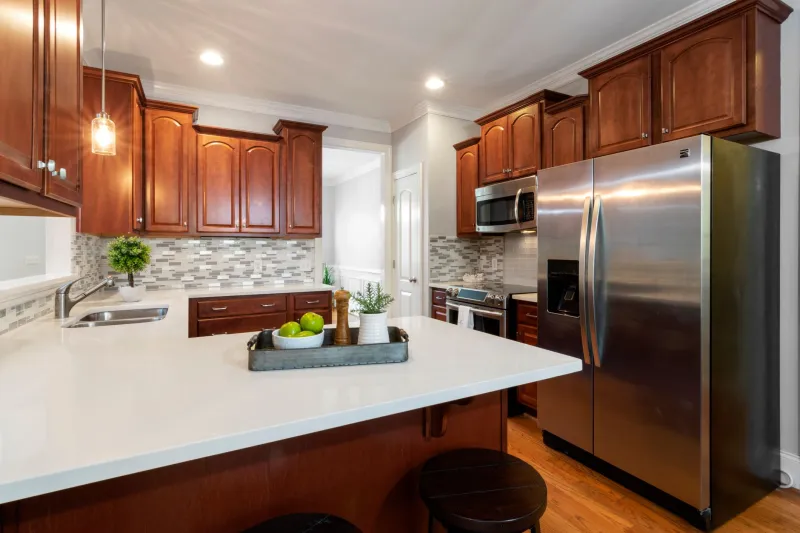
Classic door profiles — shaker, inset, and raised-panel configurations — have demonstrated staying power across decades precisely because they are rooted in proportion and craftsmanship rather than novelty. Natural wood tones, particularly in species such as maple, oak, and cherry, tend to read as warm and livable regardless of the prevailing trend. Whites and soft off-whites, when executed in durable paint finishes rather than trendy specialty coatings, have similarly proven resilient in the resale market.
Functionality is the other pillar of timeless design. Cabinets that are engineered to maximize usable storage — through thoughtful interior configurations, quality drawer systems, and hardware that performs reliably over years of daily use — deliver ongoing value that aesthetics alone cannot provide. A pull-out trash drawer, a well-designed corner solution, or a properly sized pantry cabinet contributes to the livability of a home in ways that a fashionable finish simply does not.
The Fast Track Cabinets Philosophy
Our approach at Fast Track Cabinets is built around the conviction that a cabinet project should be evaluated on a ten-year horizon, not a ten-month one. That means guiding clients toward choices that will serve them functionally, hold up structurally, and retain their visual relevance long after the current design cycle has turned.
We do not discourage clients from incorporating contemporary elements into their projects. Thoughtful integration of current design sensibilities — a particular hardware finish, a cabinet island in a complementary tone — can be done in a manner that does not compromise the long-term integrity of the overall design. The distinction lies between intentional, considered choices and wholesale adoption of a trend simply because it is visible on social media.
Rapid delivery is central to what we do, but speed without quality judgment serves no one. Our design consultants are trained to surface the long-term implications of material and configuration choices before a project moves into production. That conversation — frank, informed, and focused on the client's actual interests — is as important as any specification on the order sheet.
The Smarter Investment
Homeowners and commercial clients who approach cabinetry as a long-term investment rather than a short-term aesthetic statement consistently report greater satisfaction with their projects. They spend less over time because they replace less. They encounter fewer friction points in the resale market. And they live with kitchens and storage spaces that remain functional and visually coherent through the inevitable shifts in design fashion.
The trend cycle will continue. New finishes, configurations, and material innovations will be promoted as essential upgrades. Some of them will genuinely represent advances in quality or functionality, and those deserve consideration on their merits. But the instinct to renovate in order to keep pace with design media is one worth examining carefully before committing to a significant cabinet investment.
At Fast Track Cabinets, our goal is not simply to deliver cabinets quickly. It is to deliver cabinets that our clients will still be glad they chose a decade from now. That standard shapes every recommendation we make — and it is the clearest distinction between a cabinet project that holds its value and one that merely follows the crowd.