What Buyers Notice Before They Notice Anything Else: The Quiet Role Cabinetry Plays in Home Sales
Real estate agents spend considerable time coaching sellers on curb appeal, fresh paint, and staging. What rarely appears on the pre-listing checklist, however, is a rigorous evaluation of cabinetry. That oversight is costly. In kitchens, bathrooms, laundry rooms, and home offices, storage systems function as one of the most scrutinized features in any residential transaction—even when buyers cannot fully articulate why.
The reason is straightforward: cabinets are a proxy. When a prospective buyer opens a kitchen drawer and feels it glide smoothly, or notices that cabinet boxes are square, level, and free of water damage, they draw an immediate inference about how the entire home has been maintained. The inverse is equally powerful. Warped doors, failing hinges, sagging shelves, and outdated configurations signal neglect—sometimes unfairly, but consistently.
Understanding how cabinetry functions in the psychology of home buying, and knowing which upgrades generate the strongest financial return, equips sellers with a meaningful competitive advantage.
How Appraisers and Buyers Evaluate Storage Quality
Formal appraisals account for kitchen and bathroom quality through condition ratings and comparable sales analysis. While appraisers do not assign a line-item value to cabinet construction method, they do assess overall kitchen quality—and cabinetry constitutes the dominant visual and functional component of that assessment.
Buyers, meanwhile, operate on a more visceral level. Research consistently shows that kitchens and bathrooms carry disproportionate weight in purchase decisions relative to their square footage. Within those rooms, storage organization, door quality, and hardware finish are among the first details examined. A kitchen with ample, well-constructed cabinetry communicates livability. One with cramped, poorly fitted, or visibly aging units communicates a project—and buyers price projects accordingly.
The important distinction here is between cosmetic deterioration and structural inadequacy. Cosmetic issues—dated finishes, mismatched hardware, worn paint—are correctable and often dismissed by experienced buyers. Structural problems—delaminating doors, box damage from moisture, drawers that bind or sag—suggest deeper maintenance failures and trigger more significant price reductions or contingency requests.
The Rooms Where Cabinet Quality Matters Most
Not all cabinetry carries equal weight in a sales context. Prioritization matters, particularly when renovation budgets are constrained.
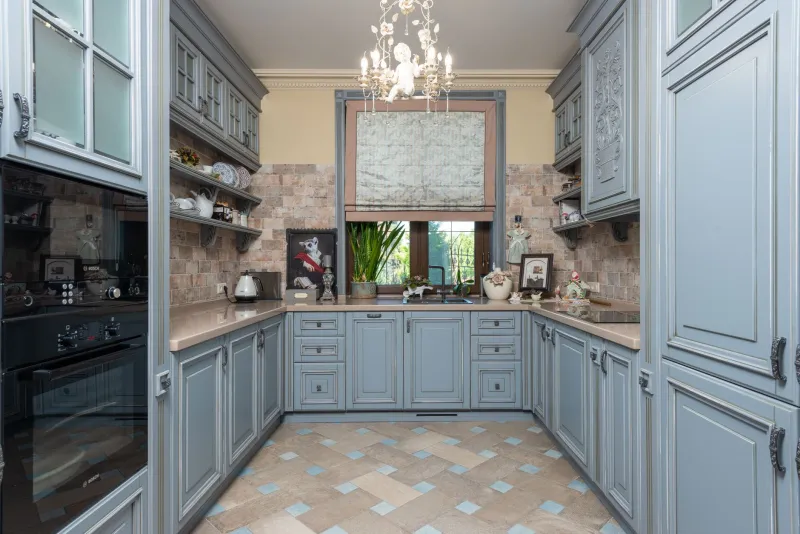
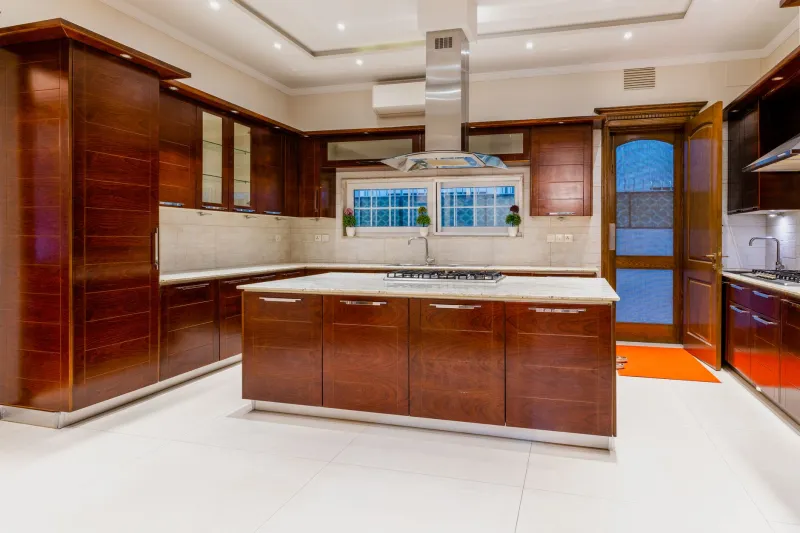
The kitchen remains the primary battleground. Buyers spend more time evaluating kitchen storage than any other area of the home. Cabinet layout, interior organization features, and the perceived quality of construction all influence offer price. A kitchen that feels storage-rich and well-designed commands premiums; one that feels cramped or outdated suppresses them.
Primary bathrooms rank second. Vanity cabinetry, medicine storage, and linen organization are closely examined. Buyers increasingly expect custom or semi-custom vanity solutions rather than builder-grade stock units. Dated or visibly worn bathroom cabinetry can undermine an otherwise well-maintained home.
Mudrooms, laundry rooms, and home offices have grown substantially in buyer importance over the past decade. Dedicated storage in utility spaces signals thoughtful ownership and reduces the mental calculation buyers perform when imagining how they will live in the home. Custom built-ins or configured cabinetry in these areas often generate outsized positive impressions relative to their cost.
Which Upgrades Deliver the Strongest Return
Not every cabinet improvement translates into equivalent sale value. The upgrades that consistently move the needle share a common characteristic: they address function as visibly as they address form.
Door replacement and refacing can be highly effective when cabinet boxes are structurally sound. Replacing flat, dated fronts with shaker-style doors in a neutral finish modernizes a kitchen rapidly and at a fraction of full replacement cost. This approach is particularly powerful in homes where the layout itself is functional but the aesthetic has aged.
Hardware replacement delivers exceptional value per dollar. Upgrading pulls and knobs to current finishes—brushed nickel, matte black, or unlacquered brass depending on the overall design direction—signals attention to detail without requiring significant investment.
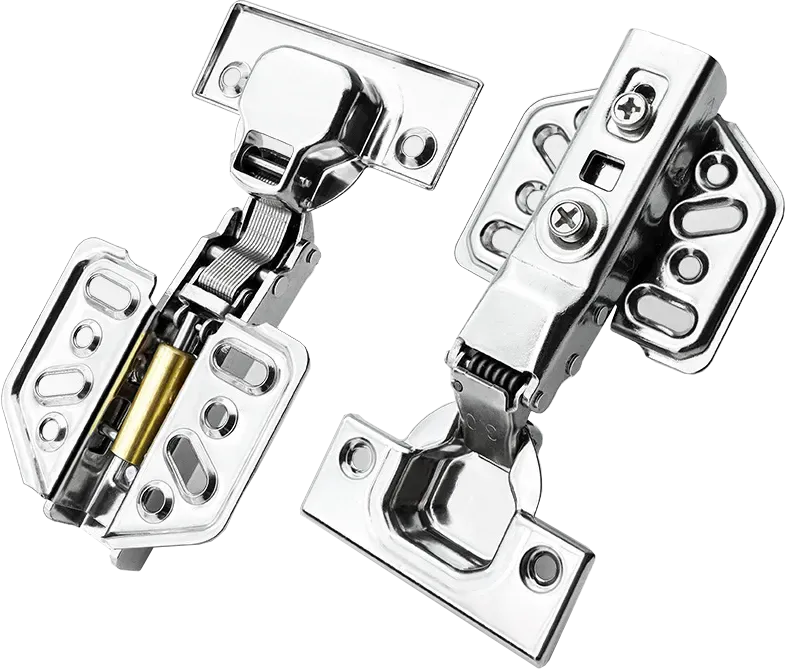
Interior organization upgrades are increasingly influential with buyers accustomed to custom solutions. Pull-out shelving, drawer dividers, soft-close mechanisms, and dedicated waste management systems all communicate that the kitchen was designed with intentionality. These features are often highlighted in listing photography and virtual tours, and they consistently attract buyer comment during walkthroughs.
Full cabinet replacement, while the most significant investment, is appropriate when box integrity is compromised, when the existing layout is demonstrably inefficient, or when the kitchen is competing with newly renovated comparable properties in the same market. In these circumstances, the return on custom cabinetry investment can be substantial—particularly in mid-to-upper price brackets where buyers have the highest expectations.
Positioning Cabinetry as a Premium Feature in Negotiations
Sellers who have invested in quality cabinetry—whether through recent renovation or original construction—often fail to leverage that investment effectively during the sales process. Custom cabinetry should be documented and communicated, not assumed.
Listing descriptions should specifically reference construction quality, material specifications, and any notable features such as dovetail drawer boxes, full-extension slides, or soft-close hinges. These details resonate with informed buyers and distinguish the property from competitors offering superficially similar kitchens.
During negotiations, cabinetry upgrades represent a defensible basis for price position. A seller who can point to documented custom cabinet installation—with specifications, manufacturer information, and installation records—is in a stronger position to justify asking price than one relying on visual impression alone.
For sellers preparing to list, the timing of cabinet upgrades matters. Projects initiated well in advance of listing allow for proper installation, settling, and photography. Rushed improvements completed days before listing often photograph poorly and may raise questions about seller motivation.
The Cost of Inaction
Sellers who opt to list with deteriorating or inadequate cabinetry frequently encounter one of two outcomes: reduced offers that reflect buyer discounting for anticipated replacement costs, or extended time on market as buyers self-select toward competing properties with more complete storage solutions.
In both scenarios, the financial consequence typically exceeds what a targeted cabinet upgrade would have required. Buyers discount generously when they perceive renovation work ahead—often more generously than the actual cost of the work would justify. That asymmetry represents a genuine opportunity for sellers willing to invest strategically before listing.
Quality cabinetry, properly specified and installed, does not merely improve the appearance of a home. It changes the story the home tells—from one requiring work to one deserving of full asking price. In a competitive real estate market, that distinction is rarely minor.
At Fast Track Cabinets, we work with homeowners, contractors, and real estate investors on cabinet projects at every stage of the property lifecycle—from renovation to pre-listing preparation. Our ability to deliver custom cabinetry on accelerated timelines means that even sellers with limited pre-listing windows can access the quality and configuration options that buyers in today's market expect.